
Shanghai Tongjie as a Global Leading Containerized Mobile Emergency SWRO System from China: Energy Recovery
Sep 18, 2026
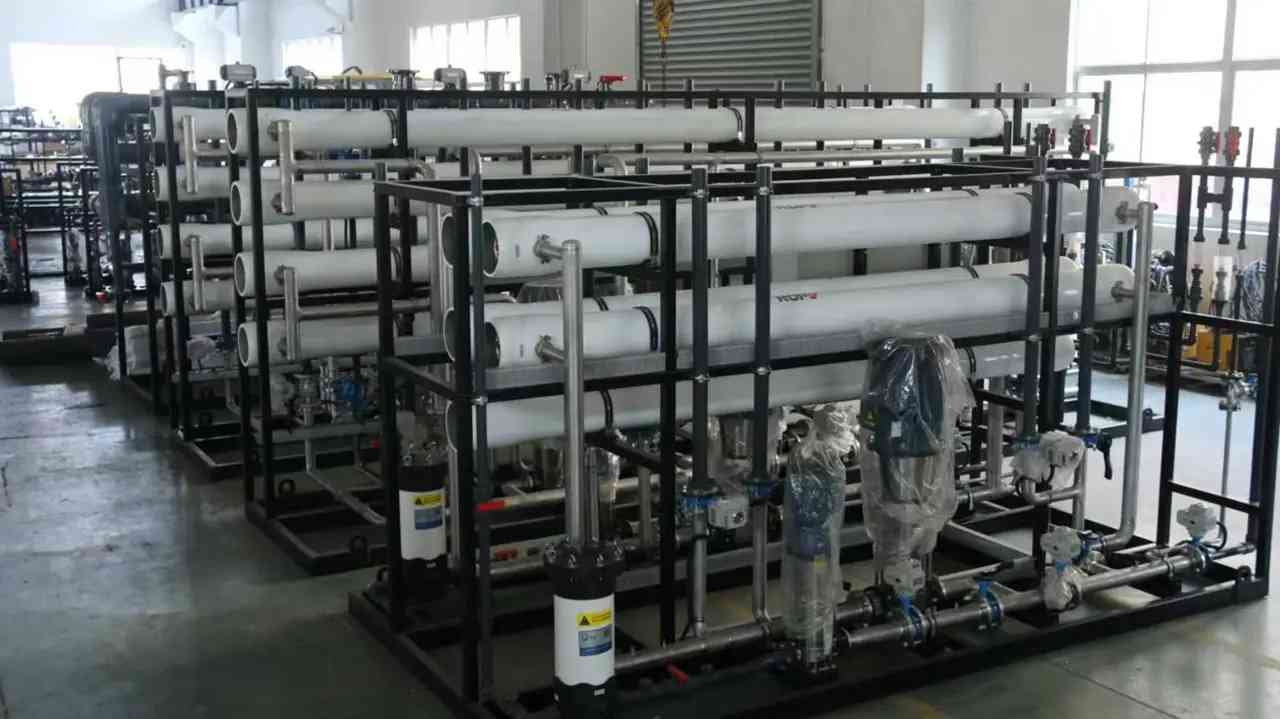
Shanghai, China Sep 18, 2026 (Issuewire.com) - Operating reverse osmosis desalination in decentralized, mobile, or emergency settings is heavily constrained by electrical power availability. Sourcing a containerized mobile emergency SWRO system requires engineering teams to balance initial equipment capital against ongoing generator fuel consumption. As demonstrated in global deployments by Shanghai Tongjie, integrating high-efficiency energy recovery devices fundamentally reshapes the operational economics of temporary water production by substantially reducing specific power consumption.
For procurement engineers and fleet operators, energy efficiency in mobile water treatment is not merely an environmental consideration. In off-grid camps, disaster zones, and maritime locations powered by diesel generators, specific energy consumption (kWh/m³) directly determines generator sizing, fuel replenishment logistics, and total cost of water production.
Energy Recovery Changes the Lifecycle Economics of Mobile SWRO
Reverse osmosis separation of seawater requires overcoming substantial natural osmotic pressure. Standard oceanic feedwater with total dissolved solids (TDS) between 35,000 and 40,000 mg/L demands operating pressures between 55 and 70 bar to force pure water molecules through semi-permeable polyamide membranes. Supplying this hydraulic pressure requires high-pressure positive displacement or centrifugal pumps driven by heavy-duty electric motors.
In conventional reverse osmosis systems lacking energy recovery, electrical power accounts for 50% to 70% of ongoing operational expenditure (OPEX). In permanent municipal installations connected to low-cost utility grids, this operational cost is amortized over decades. In contrast, mobile and emergency containerized units frequently operate from mobile diesel generators or constrained island microgrids where electricity generation costs three to five times standard grid rates.
Integrating energy recovery devices fundamentally alters this economic equation. By transferring mechanical energy from the reject brine stream directly into incoming feedwater, an ERD reduces high-pressure pump motor load by 40% to 50%. This power reduction lowers specific energy consumption from approximately 6.5-8.0 kWh/m³ down to 2.8-3.8 kWh/m³, directly shrinking the required generator capacity and daily diesel fuel consumption.
Why Seawater RO Contains Recoverable Pressure Energy
The thermodynamic necessity of energy recovery arises directly from the recovery limits of reverse osmosis membranes. Unlike thermal distillation processes that evaporate water, reverse osmosis concentrates dissolved salts in a pressurized reject stream known as brine or concentrate.
Standard single-pass SWRO systems typically operate at a volumetric recovery rate between 40% and 45%. This means that for every 100 cubic meters of seawater pressurized to 65 bar by the main pump, only 40 to 45 cubic meters permeate through the membrane barrier as fresh potable water. The remaining 55 to 60 cubic meters exit the membrane pressure vessels as concentrated brine, still carrying approximately 55 to 62 bar of hydrostatic pressure.
If this pressurized brine stream is discharged through a standard throttling valve, its hydraulic energy is completely dissipated as waste heat, acoustic noise, and pipe vibration. Energy recovery devices capture this pressurized fluid before depressurization, transferring its hydraulic work back into the feed stream before discharge.
Modern energy recovery technologies fall into two primary mechanical categories:
- Isobaric Pressure Exchangers (PX): Utilize positive-displacement ceramic rotors to achieve direct pressure transfer between high-pressure brine and low-pressure feedwater, delivering hydraulic energy transfer efficiencies up to 90% to 95%.
- Centrifugal Turbochargers: Utilize a brine-driven turbine wheel mounted on a single shaft with an auxiliary impeller, delivering hydraulic efficiencies between 65% and 80% without requiring an auxiliary high-pressure booster pump.
Which Project Variables Determine Whether Energy Recovery Adds Value
While energy recovery offers compelling thermodynamic benefits, integrating an ERD introduces additional capital cost, piping complexity, and weight inside a compact container. Sourcing teams must evaluate project-specific variables to determine whether energy recovery is economically justified for their deployment profile.
System capacity serves as the initial screening threshold. In small mobile units producing less than 50 to 100 cubic meters per day (t/d), the capital cost of an isobaric pressure exchanger and its booster pump represents a substantial percentage of total skid cost. For intermittent, seasonal, or rapid-response disaster units operating fewer than 1,000 hours per year, omitting the ERD simplifies the skid layout, reduces initial CAPEX, and provides maximum mechanical simplicity.
Conversely, for systems producing greater than 100 cubic meters per day, or units designed for continuous baseload supply (such as coastal work camps and island resorts operating 16 to 24 hours daily), energy savings rapidly offset initial device costs. Financial payback typically ranges between 18 and 36 months, depending heavily on local fuel or electricity prices.
Shanghai Tongjie evaluates equipment options across established international brands and qualified domestic Chinese energy recovery units, providing verified performance modeling under site-specific operating temperatures and salinity conditions.
Compare Pumping, Energy Recovery, and Mobile-System Operating Costs as One System
Optimizing lifecycle costs requires evaluating the high-pressure pump, the energy recovery device, and the external power supply as a single integrated thermodynamic system.
When an ERD is integrated into a mobile SWRO container, the primary high-pressure pump no longer needs to deliver 100% of feed flow at full operating pressure. Instead, the main pump is sized to deliver only the 40% to 45% permeate portion of the flow at 65 bar. The remaining 55% to 60% of the feed stream passes through the energy recovery device, pressurized directly by returning brine, with a small auxiliary booster pump supplying only the differential pressure head (2 to 5 bar) required to overcome membrane resistance.
This systemic redesign produces cascading operational benefits for mobile deployments:
- Downsized Main Pump & Motor: Smaller high-pressure pumps lower skid weight, reduce electrical panel footprint, and reduce the physical dimensions of the primary drive train.
- Reduced Generator kVA Rating: Lowering overall electrical draw allows the site to utilize a smaller, more fuel-efficient mobile generator, lowering capital rental/purchase costs and reducing transportation weight.
- Reduced Fuel Burn & Logistics: For remote operations dependent on trucked or barged diesel fuel, cutting specific fuel consumption per cubic meter of water significantly simplifies the fuel supply chain and shields the operation from volatile fuel price spikes.
SWRO Energy-Recovery FAQ
Evaluating energy recovery requires balancing equipment capital costs, daily runtime, and regional energy expenditures.
How Much Energy Can an ERD Save in a Containerized SWRO Plant?
An isobaric energy recovery device typically reduces the specific energy consumption of seawater desalination from 6.5-8.0 kWh/m³ down to 2.8-3.8 kWh/m³, representing an energy reduction of 40% to 50%.
At What System Capacity Does Energy Recovery Become Economically Justified?
Energy recovery is standard practice and strongly recommended for systems with capacities exceeding 100 m³/day operating continuously. For units under 50 m³/day operating intermittently, the capital savings of omitting the ERD may outweigh the operating cost benefit.
What Is the Difference Between Isobaric and Centrifugal ERDs?
Isobaric devices (PX) offer the highest energy transfer efficiency (up to 95%) but require an auxiliary booster pump. Centrifugal turbochargers offer moderate efficiency (65-80%) in a simpler, single-shaft format without requiring an auxiliary pump.
Does Energy Recovery Add Significant Maintenance Complexity?
High-purity alumina ceramic rotors in modern isobaric devices are lubricated hydrodynamically by the process water, offering operating lifespans exceeding 5 to 10 years when protected by proper 5-micron pre-filtration.
How Does ERD Integration Affect Generator Sizing in Mobile Units?
By cutting motor kilowatt requirements in half, energy recovery allows operators to pair the mobile desalination container with a significantly smaller diesel generator, lowering fuel burn and generator transport footprint.
Request a Project-Specific CAPEX and OPEX Comparison
Determining the optimal equipment configuration requires modeling capital amortizations against verified site operating costs. Grounding equipment selection in verified operational hours, local power tariffs, and feedwater salinity ensures that the selected plant delivers the lowest net cost per ton of freshwater.
Provide target daily water volume, operating hours per day, local power cost (or generator fuel price), and raw seawater TDS to the Shanghai Tongjie process modeling engineers to receive a comparative simulation of capital cost, specific energy consumption, and projected payback schedules.
Media Contact
Shanghai Tongjie Environmental Protection Technology Co., Ltd.
Source :Shanghai Tongjie Environmental Protection Technology Co., Ltd.
This article was originally published by IssueWire. Read the original article here.
More News

Which Disney Princess Movie Is The Best?
My favorite is "Snow White"! View Entire Post ›

Celebrity Traitors comes to a climax in nail-biting final
The second series of the hit show reached its climax on Friday after attracting 15 million viewers.

'The Batman Part II' faces another setback after cast member hit by Batmobile
'The Batman Part II' faces another setback after cast member hit by BatmobileThe Batman, fans might be disappointed as the filming of The Batman part II has been reportedly paused once again after an onset accident.As per a report by The Sun, the shooting was stopped after a cast member was...

Dubai-Based Director Faisal Hashmi Launches Spine Drop Pictures & Inaugural Horror Slate
EXCLUSIVE: Here’s a nicely timed company announcement for Halloween. Dubai-based indie director and writer Faisal Hashmi has officially launched genre-focused production company Spine Drop Pictures and unveiled its inaugural slate of three horror features. Hashmi has won fans over his 15-year career with a collection of 10 contained, high-concept genre shorts with chilling twists, including […]

Billy Corgan breaks silence over Smashing Pumpkins' 'final' concert release
Billy Corgan breaks silence over Smashing Pumpkins’ ‘final’ concert release Billy Corgan is unsure if he'll ever release the video of the Smashing Pumpkins' "final" show in 2000.During a recent interview for The New York Times' Popcast podcast, the front man was asked whether he would ever...

Black Doves actress says she loved playing 'a very Welsh assassin'
Gabrielle Creevy says she auditioned for the role using her Welsh accent "and they loved it".

Chris Pratt spills gross details of filming in a remote area with 'no bathroom'
Chris Pratt reveals he once went 4 days without food or water on set: 'No bathroom'Chris Pratt revealed how a serious stomach infection made filming The Terminal List more challenging while shooting on a small boat in a remote part of Africa.The Jurassic Park star, who returns as Navy SEAL...

‘The Celebrity Traitors’ Finale Draws Record Audience To BBC
The Celebrity Traitors bowed out with record ratings on Friday. The Claudia Winkleman-fronted BBC series drew an average overnight audience of 11.23 million viewers, topping the previous high of 11 million for last year’s finale. The 80-minute-long episode peaked with 11.6 million viewers as a winner was crowned, though Deadline is choosing not to publish […]

We Know Exactly How Old You Are Based On The 10 Disney Characters You Pick In This Quiz
Trust us on this one. View Entire Post ›

Fate of Ozzy Osbourne's unreleased music laid bare
Fate of Ozzy Osbourne's unreleased music laid bareOzzy Osbourne's two unreleased songs are expected to be released posthumously in his upcoming biopic.According to a report by The Sun, the Black Sabbath alum, who died in July 2025, secretly recorded several tracks while working on his 2022 album...

These Stars’ Supernatural Experiences Will Give You the Chills
Telling ghost stories is one thing. But starring in your own? That’s another. Over the years, several celebrities have shared their supernatural experiences. Take Jessica Chastain, for instance,...

Bill Burr fires back at critics slamming Tom Cruise's new film 'Digger'
Bill Burr fires back at critics slamming Tom Cruise's new film 'Digger'Bill Burr lashed out at film critics for hating Digger.The 58-year-old comedian expressed his admiration for Tom Cruise's new film during the latest episode of his podcast.“I went out and I saw that movie Digger, and I gotta...
Recommended


A Century-Old Queens Costumer Says Goodbye





Spooky Secrets About Casper Revealed


YOUR NEWS, OUR NETWORK.
Do you have Great News you want to tell the world?
Be it updates about your business or your community, you can make sure that it’s heard by submitting your story to our network reaching hundreds of news sites across 6 verticals.